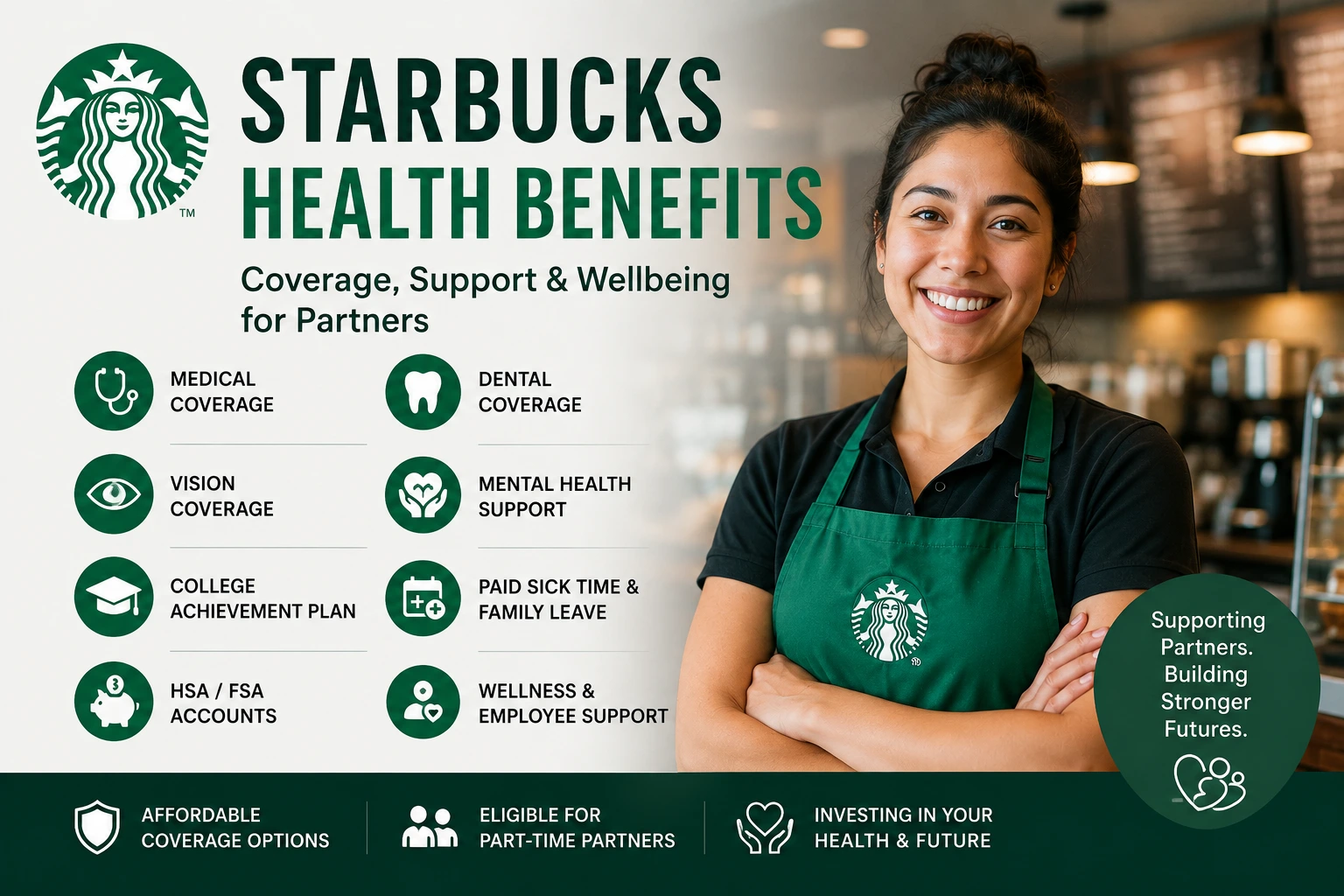
Starbucks has built a reputation not just as a coffee company but as an employer known for offering benefits that go beyond what many retail and food service jobs typically provide. One of the most talked-about aspects of working at Starbucks is its health benefits package, which is available to both full-time and part-time partners (the company’s term for employees) who meet minimum eligibility requirements. This article breaks down what Starbucks health benefits actually include, who qualifies, and why this benefits structure has become a defining feature of the company’s employment culture.
Who Is Eligible for Starbucks Health Benefits
One of the most notable aspects of the Starbucks benefits program is that eligibility isn’t limited to full-time staff. Partners who work an average of 20 hours or more per week generally qualify for health coverage, which is a significant departure from many companies that reserve comprehensive benefits for full-time employees only. This makes Starbucks one of the more accessible employers when it comes to extending healthcare coverage to part-time workers, including students, parents balancing family responsibilities, and people working multiple jobs.
New partners typically become eligible for benefits after completing a short waiting period, and enrollment windows open shortly after hire. It’s important for new employees to review their offer details closely, since specific eligibility timelines can shift slightly based on company policy updates.
Medical, Dental, and Vision Coverage
At the core of the Starbucks health benefits package are medical, dental, and vision insurance options. Partners typically have a choice between multiple medical plans, allowing them to select coverage that best matches their financial situation and healthcare needs. These plans generally include:
- Preventive care coverage, often at no additional cost, including annual checkups and screenings
- Prescription drug coverage, which helps offset the cost of both generic and brand-name medications
- Dental plans covering routine cleanings, exams, and more extensive procedures depending on the plan tier
- Vision plans that help cover eye exams, glasses, and contact lenses
Because Starbucks partners can choose from different plan levels, monthly premiums and out-of-pocket costs vary. Employees are encouraged to compare plan details during open enrollment to find the right balance between premium costs and coverage depth.
Mental Health and Wellness Support
In recent years, mental health support has become an increasingly emphasized part of the Starbucks benefits conversation. The company has expanded access to mental health resources, including therapy sessions and counseling support, recognizing that emotional wellbeing plays a critical role in overall health. This is particularly relevant in a fast-paced retail and food service environment, where partners often face high customer volume and physically demanding shifts.
Some benefits packages also include access to wellness apps, stress management resources, and employee assistance programs (EAPs) that provide confidential support for a range of personal and work-related challenges.
Starbucks College Achievement Plan
While not a traditional health benefit, the Starbucks College Achievement Plan (SCAP) is often mentioned alongside the company’s broader benefits offerings because of how it contributes to partners’ overall wellbeing and long-term stability. Through this program, eligible partners can pursue a bachelor’s degree online through Arizona State University with tuition coverage, reducing financial stress that can otherwise negatively impact both mental and physical health.
Financial stability and education access are increasingly recognized as connected to overall wellness, which is why many employees view this program as part of the broader “whole person” approach Starbucks takes toward partner benefits.
Paid Sick Time and Family Leave
Access to paid sick time is another important piece of the health benefits puzzle. Partners generally accrue paid sick leave based on hours worked, allowing them to take time off when they’re feeling unwell without sacrificing income. This is particularly valuable in a customer-facing role, where working while sick can lead to burnout or spreading illness to coworkers and customers.
Starbucks has also offered parental leave benefits for eligible partners, supporting employees through significant life events like the birth or adoption of a child. These policies can vary depending on tenure and employment status, so checking current details through internal HR resources or the partner hub is recommended.
Health Savings and Flexible Spending Accounts
For partners enrolled in certain medical plans, Starbucks has offered access to Health Savings Accounts (HSAs) or Flexible Spending Accounts (FSAs). These accounts allow employees to set aside pre-tax dollars for qualified medical expenses, which can reduce overall taxable income while helping cover costs like copays, prescriptions, and other healthcare-related expenses not fully covered by insurance.
Some plans also include employer contributions to HSAs, which can provide an added financial cushion for partners managing ongoing healthcare needs.
Why Starbucks’ Approach Stands Out
Compared to many employers in the retail and food service industry, Starbucks’ decision to extend meaningful health benefits to part-time workers has often been cited as a differentiator in how the company attracts and retains talent. For many partners, especially those balancing school, family, or multiple jobs, access to affordable healthcare through part-time work can be a deciding factor in choosing where to work.
This approach also reflects a broader business philosophy: investing in partner wellbeing can lead to lower turnover, improved customer service, and a more engaged workforce. While retail jobs are often associated with high turnover rates, benefits like healthcare access can play a meaningful role in improving job satisfaction and long-term retention.
Final Thoughts
Starbucks health benefits represent more than just a checklist of insurance options—they reflect a broader commitment to supporting partners both physically and financially. From medical, dental, and vision coverage to mental health resources, tuition assistance, and paid sick leave, the benefits package is designed to support employees through various stages of life and work.
For anyone considering a role at Starbucks, understanding these benefits can be an important part of evaluating the full value of the job, beyond just hourly wages. And for current partners, staying informed about plan options, eligibility requirements, and enrollment periods ensures they’re making the most of what’s available to them.
As with any employer-sponsored benefits program, specific details can change over time, so partners are encouraged to review official Starbucks HR resources or speak with a benefits representative to confirm the most current and accurate information for their situation.
See More: Starbucks Weekly Schedule: A Complete Guide for Employees and Managers
Starbucks Work Calendar: Everything Partners Need to Know
How to Check Your Starbucks Work Schedule: A Complete Step-by-Step Guide